Workers Compensation Court in Greensboro, NC

At Jay Gervasi Law, we understand how to navigate a workers’ compensation court hearing. If you’ve been injured at work and your facing the challenges of a claim, the process can seem intimidating. In Greensboro, NC, many individuals are uncertain about what to expect when their workers’ comp case enters the court system. Here’s what you need to know about workers’ compensation court and how we can help you achieve the best possible outcome.
Do You Have to Go to Court for Workers Comp?
Read the rest of this entry »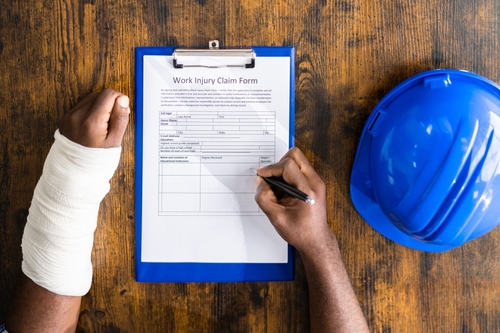
If you’ve been hurt on the job in High Point, NC, and you’re having a hard time getting workers’ compensation benefits, we understand. At Jay Gervasi, Attorney at Law, we’ve helped injured workers across Guilford County North Carolina for decades. Workers’ comp is all we prefer to do — and we know how to get results.
Read the rest of this entry »Experienced Workers’ Compensation Lawyers in North Carolina – Jay Gervasi Attorney at Law
If you’ve been injured at work in Greensboro, in Guilford County or anywhere in North Carolina, filing a workers’ compensation claim can seem overwhelming, but Jay Gervasi Attorney at Law is here to guide you through the process. Serving clients throughout the state, including the Triad area, we have over 35 years of experience in North Carolina workers’ compensation law. We understand the importance of getting the benefits you deserve, and we are here to make the process as easy and stress-free as possible. Our office offers remote consultations, meaning you don’t have to leave your home to get expert legal advice.
Read the rest of this entry »
Truck accidents are not just bigger versions of car accidents—they’re often more serious, more complex, and more overwhelming for everyone involved. If you’ve been hit by a semi-truck, delivery vehicle, or any other type of commercial truck in Greensboro, NC, there are some key things you should know that can impact your recovery and your rights.
This post will walk you through the basics: what causes truck accidents, what to expect in the aftermath, and how you can protect yourself legally and financially. If you’re looking for legal representation. Click here learn more about our truck accident lawyer services.
5 professionals to talk to after a car crash
A car crash can change your life in an instant. In the face of physical pain and emotional trauma, you may also find yourself facing a legal battle for fair compensation. Where do you start? Who can you turn to for guidance?
North Carolina follows a strict contributory negligence rule, which means you may not be eligible for recovering compensation if found even slightly at fault for the accident. This is why it is crucial to consult with the right professionals during this difficult time.
1. Medical doctor or specialist
After a car accident, your health should be the top priority. Seek medical attention, even if you feel fine. Your healthcare provider will document your injuries, provide treatment and record your medical expenses, which are all crucial for legal purposes.
2. Law enforcement officers
Report the accident to a police officer or a highway patrol as soon as possible. They will create an official accident report, including details like the accident’s time, location, and possible causes. This report can serve as valuable evidence in your case.
3. Insurance adjuster
The at-fault party’s insurance company will likely call you to discuss the accident. Be cautious when speaking with the adjuster as they may try to minimize the amount the insurance company has to pay for your injuries. If possible, avoid talking with an adjuster without consulting a legal professional first.
4. Mental health professional
A therapist or counselor specializing in mental health can help you manage the emotional trauma, anxiety and depression typically associated with car accidents. Their records can also support your claim by showing the emotional impact of the accident.
5. Personal injury attorney
Many successful claims involve the help of an attorney specializing in personal injury law. Take advantage of their experience and let them manage negotiation for your fair compensation. If disputes arise, they can fight for you in court.
Building a robust support system is key
Each of these professionals can significantly impact the outcome of your personal injury claim. With the right team behind you, you can recover fair care and compensation (medical bills, lost income, ongoing rehabilitation, etc.) needed to rebuild your life.
When people imagine construction sites, many think of large equipment, like jackhammers, diesel-powered vehicles and other powerful machines, generating noise that can reach hazardous levels.
Unfortunately, many companies fail to provide construction workers with adequate training in hearing protection. This can result in serious worksite injuries, such as hearing loss, for which employees may need to seek workers’ compensation benefits.
Is your employer liable for dangerous occupational noise exposure? The answer may be yes if they don’t adhere to Occupational Safety and Health Administration (OSHA) standards and follow National Institute for Occupational Safety and Health recommendations.
How is occupational noise measured?
Sound level meters and dosimeters measure noise in the workplace. Measurements record the following:
- Sound or noise level at a given time
- Sound level averaged over eight hours
- Percent of allowable noise exposure, also known as noise dose
Excessive levels can create a health risk and should be reported. But how do you know if you’re at risk?
Permissible noise levels for workers
OSHA mandates employers to take administrative or engineering steps to reduce noise if it exceeds these levels, measured in A-weighted decibels (dBA). Here are OSHA’s acceptable levels:
- 90 dBA for 8 hours
- 92 dBA for 6 hours
- 95 dBA for 4 hours
- 97 dBA for 3 hours
- 100 dBA for 2 hours
- 102 dBA for an hour and a half
- 105 dBA for an hour
- 110 dBA for half an hour
- 115 dBA for a quarter of an hour or less
If noise reduction efforts aren’t possible, your employer must provide hearing protection and educate workers about the risks of not wearing noise-canceling headphones or earplugs.
How is noise controlled in the workplace?
To properly reduce noise in the worksite, your employer must find out:
- The noise level in the construction site
- How much noise reaches workers’ ears
- The frequency content of the noise
- What’s producing the noise
Investigating noise exposure is a standard regulation in worksite evaluation and monitoring.
How does North Carolina protect workers’ hearing?
In March 2024, the North Carolina Department of Labor released a list of general industry standards requiring written safety and health programs. Programs on occupational noise exposure will include:
- Hearing conservation
- Monitoring
- Audiometric testing
- Training and education
State efforts to strengthen protection against occupational hearing loss are vital. However, when employers don’t exercise due diligence, workers are at risk of injury, which could result in lost income and medical expenses.
Consulting an experienced workers’ compensation lawyer can help an employee navigate the complex process of determining compensation and ensure that they can claim damages for hearing loss and other work-related injuries.
When an accident happens in a working environment, the impacts of the situation can extend far beyond the initial injury. That’s why North Carolina provides legal protections for workers who are injured on the job. Through the state’s workers’ compensation program, eligible injured workers can receive the medical support they require during their recovery.
Unfortunately, many injured workers may inadvertently jeopardize their compensation by failing to follow doctor’s orders. Ignoring or neglecting doctor’s orders can result in significant repercussions on a worker’s health, recovery and workers’ compensation claim.
The role of doctors in workplace injuries
The Tar Heel State’s workers’ compensation program mandates employers to have a designated healthcare provider who cares for injured workers. The employer is supposed to pay the chosen doctor so that the injured doesn’t incur out-of-pocket medical costs.
When an injured worker consults with the designated doctor following a workplace accident, they can expect the medical provider to:
- Determine the acuteness of their injury
- Develop a personalized treatment plan
- Oversee their recovery
Doctors should be given the upper hand because they have the knowledge and experience to establish the best strategy for efficient recovery. By following the doctor’s orders, an injured worker can receive the medication they need and take all the time they require to recover. It’s also crucial to note that following the doctor’s instructions is not just about efficient recovery; It’s also about compliance with workers’ compensation requirements.
Workers’ compensation compliance
According to the state’s workers’ compensation program, injured workers are required to follow the prescribed medical treatment. Failure to follow the doctor’s orders can trigger a denial or reduction of benefits. The company’s insurance company may take such actions under the argument that the injured worker isn’t committed to their recovery. To help ensure that they continue to receive financial support during their recovery, it’s important that an injured worker:
- Follow through with their personalized treatment plan
- Show up for all medical appointments
- Routinely communicate with their health provider
By proactively demonstrating that they’re dedicated to getting better, a injured worker is less likely to jeopardize their claim.
Injured workers whose compensation is halted or reduced for whatever reason can greatly benefit from appropriate legal guidance during such a confusing time. A reliable legal team can help such workers reclaim the financial support they need during their recovery.
The construction industry is one of the most hazardous workplaces in the United States. According to the Bureau of Labor Statistics, in 2020, there were 1,034 fatal injuries in the industry. As a subcontractor on a construction site, an injury can be devastating. Not only do you face physical pain and recovery, but also uncertainty about your financial future. You might ask yourself: who is responsible for my injuries, and how do I get the compensation I need?
The complex web of responsibility
Construction projects often involve multiple companies and contractors. When you suffer an injury as a subcontractor, it can be unclear who is responsible for providing workers’ compensation benefits. Your employer (the subcontractor) would cover the worker’s compensation. But if the principal contractor (the construction company) sublets the work without ensuring that your employer has workers’ compensation insurance coverage, they might become liable for providing the benefits.
Third-party liability
In addition to workers’ compensation benefits, you may also have a claim against a third party. This could include the general contractor, a manufacturer or another subcontractor. This is known as third-party liability.
Seeking compensation
It is essential to understand your rights and options in this situation. Workers’ compensation benefits can provide critical financial support during your recovery. A third-party lawsuit may offer additional compensation for your injuries. Do not face this complex process alone. Seek guidance from an experienced lawyer to ensure that you receive the compensation you deserve.
Remember, every worker injured on a job has compensation rights. If you are in such a situation, do not hesitate to seek legal guidance to ensure that you receive the compensation you need to recover and move forward.
When you suffer from a brain injury following a car accident, you may notice significant changes in your personality. These changes can be confusing and distressing for you and the people around you. Understanding the nature of these changes can guide you on how to cope with them.
The impact of brain injury on your personality
Brain injuries can affect a person’s behavior, emotions and cognitive abilities. You might observe:
- Mood swings and irritability
- Impulsiveness and difficulties in decision-making
- Challenges with social interactions
- Changes in interests and motivation
- Memory problems and confusion
These changes occur because different brain areas control various aspects of personality. When these areas sustain damage, it can change how you think, feel and behave.
How loved ones can cope
Unfortunately, you most likely will not be the only one who will experience difficulties following a traumatic brain injury from a car accident. Your loved ones will also need to deal with your personality and temperament changes. While challenging, they need to remember how a solid support system is vital to your recovery. They can offer you more support by:
- Educating themselves further about brain injuries and their effects.
- Seeking support from professionals and support groups about how to best care for you and how they can better manage their expectations and emotions.
- Being more patient and understanding, especially when you experience mood swings. Acknowledging that these mood swings are unintentional may help them deal with you more carefully and sensitively.
Recovery from a brain injury is a long-term process. Understanding the extent of your injuries and what your journey to recovery entails can help them better care for you.
Seeking professional help
If you and your loved ones find it difficult to cope with the changes in your personality, it may be wise to seek professional help. A therapist or counselor can provide you with strategies to manage your emotions and improve communication with your loved ones. Additionally, they can help you develop realistic expectations for recovery and adjust to your new circumstances. Collaborating closely with your doctors, therapist or counselor can increase your chances of recovering fully.
If you suffer from a traumatic brain injury after a car accident, you may want to work with an experienced attorney to help you file a claim and get the compensation you deserve.
How to appeal a denied workers’ comp claim in NC
Receiving a denial for your workers’ compensation claim can be disheartening, especially when you are relying on that support to recover from a workplace injury. However, it is important to remember that a denial does not have to be the final word. In North Carolina, there are clear steps you can follow to contest the decision and stand up for your rights.
Understand the reason behind the denial
It is no secret that insurance companies will sometimes deny legitimate workers’ compensation claims. That is why it is vital to understand their reasons and take quick action to appeal the decision. Start by thoroughly reviewing the denial letter you received. Knowing the reason is essential, as it will guide your next steps.
Challenge the decision
Your journey to contest the denial starts with filing these forms with the North Carolina Industrial Commission:
- Form 18: This document asserts your claim of an injury at work. Make sure to provide detailed information about the injury, including how the incident occurred.
- Form 33: This form allows you to bring your case forward for a hearing. Include all relevant details about your case and attach any additional evidence that supports your claim, such as medical reports or witness statements.
Submitting these forms correctly and completely is your first critical step toward having your voice heard and your claim reconsidered.
Engage in mediation
During this part, both you and your employer will present your sides of the story. It is important to come prepared with all relevant documents and a clear idea of the resolution you seek.
Attend the hearing
Sometimes, despite everyone’s best efforts, you might not reach an agreement with your employer during mediation, or you might find the mediator’s recommendation unsuitable. If that happens, the next step is to attend a hearing. This is your opportunity to present your case directly to the Industrial Commission. Explain clearly and confidently how the injury occurred, the impact it has had on your life and why you believe the denial of your claim was incorrect.
After the hearing, the commission will deliberate and decide on your appeal. This can take some time, so patience is essential.
Remember, when it comes to navigating the workers’ compensation system, each step you take is crucial in advocating for your rights and ensuring you receive the compensation you deserve. While it is a journey that requires patience and perseverance, understanding these steps empowers you to move forward confidently.
Connect with us


- February 2026
- September 2025
- August 2025
- April 2025
- August 2024
- July 2024
- June 2024
- May 2024
- April 2024
- March 2024
- February 2024
- January 2024
- December 2023
- November 2023
- October 2023
- September 2023
- August 2023
- July 2023
- June 2023
- May 2023
- April 2023
- March 2023
- February 2023
- December 2022
- November 2022
- October 2022
- September 2022
- August 2021
- July 2021
- June 2021
- March 2021
- February 2021
- December 2020
- November 2020
- October 2020
- September 2020
- August 2020
- July 2020
- October 2019
- August 2019
- July 2019
- June 2019
- May 2019
- April 2019
- March 2019
- September 2018
- May 2017
- April 2017
- March 2017
- February 2017
- January 2017
- December 2016
- November 2016
- October 2016
- September 2016
- August 2016
- July 2016
- June 2016
- May 2016
- April 2016
- March 2016
- February 2016
- January 2016
- December 2015
- November 2015
- October 2015
- September 2015
- August 2015
- July 2015
- June 2015
- August 2013
- July 2013
- June 2013
- May 2013
- April 2013
- March 2013
- February 2013
- January 2013
- December 2012
Archives